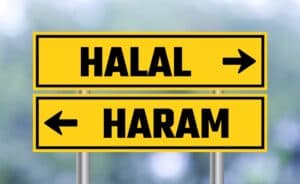
Trading Halal or Haram Explained Clearly
Trading has become a popular way to grow wealth through stocks, forex, commodities, and crypto. For Muslims, the key concern is whether trading is halal or haram, as financial activities must align with Islamic principles. Islam emphasizes justice, fairness, and ethics in all transactions, prohibiting riba (interest), gharar (excessive uncertainty), and maysir (gambling). This makes the question of halal versus haram trading highly significant in today’s expanding global markets. In this article, AFAQ explores Islamic history, Sharia guidelines, scholarly views, and modern practices like forex and crypto, offering clarity on how to trade ethically within Islamic principles.
Overview of Trading in Islamic History
Trading is not new to Islam. In fact, the roots of trading halal or haram discussions go back to the early days of Islamic civilization. Prophet Muhammad (peace be upon him) himself was a trader before receiving prophethood. He travelled for trade to regions such as Syria and Yemen, dealing in goods like spices, textiles, and other commodities. His reputation as “Al-Ameen” (the trustworthy) was built largely through his honesty and fairness in trade.
During the golden age of Islam, Muslim traders played a crucial role in spreading commerce across Asia, Africa, and Europe. Cities like Baghdad, Damascus, Cairo, and Cordoba became hubs of trading markets where merchants engaged in lawful transactions. Trade was seen as an honourable profession, provided it avoided prohibited practices such as interest or fraud.
Thus, historically, trading has always been part of Islamic economic life. The key issue has always been ensuring it complies with ethical principles. This sets the stage for today’s discussion: while trading itself is permissible, certain forms of speculation or unethical practices can render it haram.
Islamic Principles Governing Financial Transactions
Islamic finance is governed by strict ethical principles to ensure fairness and justice. To understand trading halal or haram in Islam, we must explore these three pillars:
Prohibition of riba (interest)
Any transaction that involves interest is strictly prohibited. This applies to bank loans with fixed interest and margin trading that accrues interest charges. For example, trading on borrowed funds with interest-bearing accounts would fall under haram practices.
Avoidance of gharar (excessive uncertainty)
Gharar refers to ambiguity or excessive uncertainty in contracts. Trading contracts must be transparent, and both buyer and seller should clearly know the terms. Highly speculative practices with unknown outcomes may fall into gharar and thus become impermissible.
Prohibition of maysir (gambling/speculation)
Speculative trading that resembles gambling is haram. This includes high-risk strategies where outcomes depend more on luck than informed decisions. For instance, extreme day trading without analysis may fall under maysir.
Types of Trading and Their Rulings
Types of trading vary in their time horizon, from the ultra-short-term Scalping and Day Trading to Swing Trading (days to weeks), and Position Trading (months to years). Other strategies include Momentum Trading, which follows existing price trends, and Arbitrage Trading, which exploits price differences across markets. Algorithmic Trading uses computer programs to execute trades automatically based on preset rules.
Different types of trading have emerged over time. Let’s analyse whether each is halal or haram in Islam.
Stock trading
Stock trading can be halal if the business is Sharia-compliant (not involving alcohol, gambling, pork, or interest-based banks). It must also avoid speculative short selling.
Forex trading
Forex trading raises many debates. Scholars argue whether forex trading is halal or haram in Islam, depending on the method. Spot forex trading, where currencies are exchanged instantly without interest, is generally halal. However, margin-based forex trading with overnight interest (swap fees) is considered haram.
Commodity trading
Commodity trading is permissible if the commodities are halal (like gold, silver, wheat, oil). However, trading in haram goods (such as alcohol or pork) is forbidden.
Cryptocurrency trading
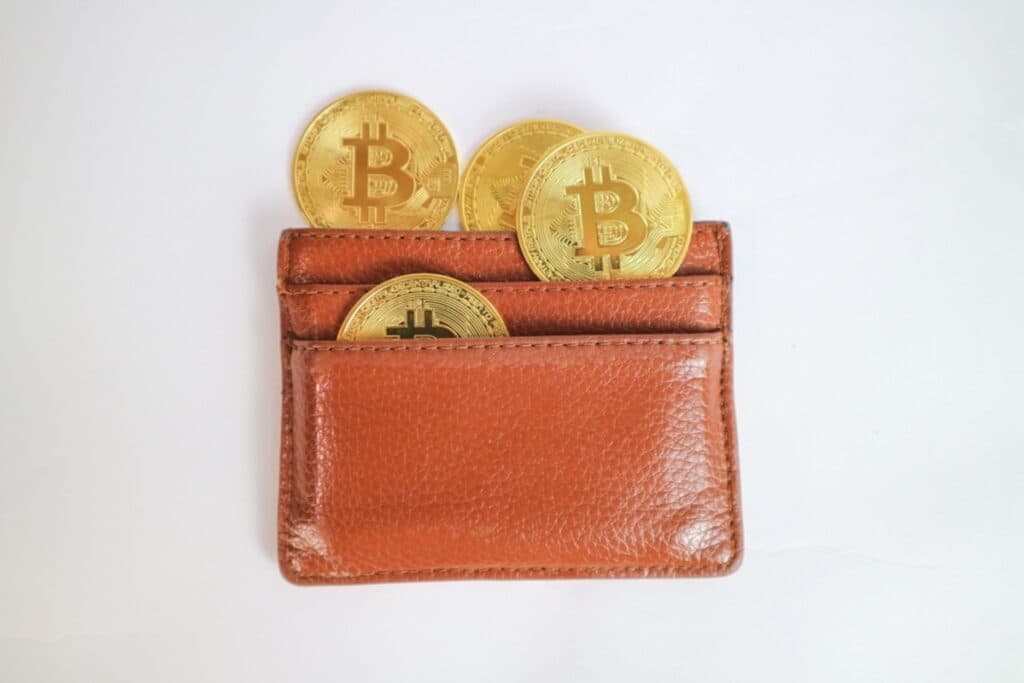
Crypto is one of the hottest debates today. Some argue that crypto trading is halal or haram, depending on how it’s used. If used as a medium of exchange and traded transparently, many scholars consider it halal. However, if it becomes purely speculative or involves haram activities (like gambling platforms), it may be haram.
Options, futures, and derivatives
There are heated debates about whether option trading is halal or haram and whether future trading is halal or haram. Most scholars argue that these involve speculation and gharar because the assets are not immediately owned or exchanged. Thus, many classify them as haram.
Conditions That Make Trading Halal
Trading can be halal in Islam when it adheres to strict ethical principles that prioritize transparency, fairness, and genuine economic value. Islamic law permits trading that involves immediate exchange, clear terms, minimal speculation, and avoids interest (riba), gambling-like practices, and excessive uncertainty. For trading to be halal, it must meet specific conditions:
Ownership of the asset being traded
You must own the asset before selling it. Selling something you don’t own (such as short selling) is not allowed.
Immediate settlement
Transactions must settle immediately. This is why spot trading halal or haram discussions usually conclude that spot transactions are halal.
Compliance with Sharia-compliant sectors
The asset must belong to halal industries. Trading shares of banks involved in interest or companies producing alcohol would not be permissible.
Practices That Make Trading Haram
Spot trading with immediate currency exchange, transparent terms, minimal speculation, and a genuine economic purpose can be considered halal. Conversely, practices involving interest, excessive leverage, margin trading, and speculative transactions that resemble gambling are decisively classified as haram. Some practices directly lead to trading being haram:
Trading on margin with interest
Borrowing funds with interest to trade is prohibited.
Short selling
Selling assets you don’t own goes against Islamic principles.
Speculative and high-risk practices
Pure speculation without research, or gambling-like trades, fall under maysir.
Scholarly Opinions on Trading
Islamic scholars have provided various rulings on trading halal or haram:
- Some scholars allow spot forex but prohibit leveraged or swap-based forex.
- Regarding cryptocurrencies, opinions are divided: some allow Bitcoin as halal money, others reject it due to volatility and lack of central regulation. (Crypto trading halal or haram)
- On options and futures, most scholars lean toward prohibition due to speculation and gharar.
Different schools of thought may vary, but all agree that ethical transparency is a must.
Islamic Financial Instruments and Alternatives
For Muslims seeking safe investment opportunities, Islamic finance offers alternatives:
Sukuk (Islamic bonds)
Sukuk is an alternative to interest-based bonds, structured around profit-sharing.
Islamic mutual funds
These funds invest only in halal companies screened for compliance.
Halal stock screening methods
Muslim investors can use Sharia-screening criteria to ensure their stock portfolio is compliant.
Common Misconceptions About Trading in Islam
- “All trading is haram.” This is false; only unethical practices are haram.
- “Crypto is gambling.” While speculative crypto is haram, legitimate crypto use may be halal.
- “Forex is entirely forbidden.” Spot forex with no riba is permissible.
Significance of Ethical Trading in Islam
Islam emphasizes fairness, honesty, and transparency. Ethical trading ensures wealth growth while avoiding harm to others. AFAQ strongly supports awareness in this area, helping Muslim investors navigate global markets while respecting their faith.
Services Of Afaq
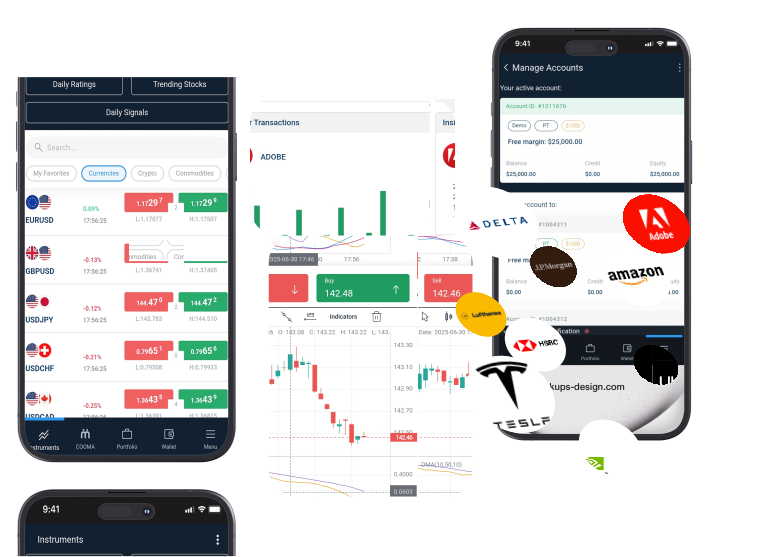
AFAQ Trade is an electronic platform specialized in trading Contracts for Difference (CFDs), with a primary focus on the Gulf markets.
The platform aims to provide a simple, secure, and professional trading experience through platforms such as WebTrader and Mobile App, supported by educational tools like webinars, an academy, demo accounts, and a copy-trading feature.
Licenses and Legal Entity
The platform is owned by Afaq FX Markets (Comoros) LTD, registered in the Comoros.
It is licensed by the MWALI International Services Authority under license number BFX2025079, adding a layer of transparency and reliability for investors.
Key Services
- Trading in forex, stocks, commodities, and indices.
- Islamic accounts are compliant with Sharia.
- Demo account with $25,000 virtual funds for training.
- Advanced analysis tools, live customer support, and competitive trading fees (low spreads).
- Secure deposit and withdrawal procedures.
Account Types
- Basic – Minimum deposit up to $4,999.
- Advanced – From $5,000 to $19,999.
- Premium – $20,000 and above with advanced features.
- Sharia Account – Sharia-compliant, swap-free, with Sharia fees applied after the 4th day.
- Demo – Realistic trading experience with no financial risk.
In Conclusion
The question of trading halal or haram depends on how trading is conducted. Trading itself is not haram, but certain practices—such as riba, gharar, and maysir—can make it impermissible. Spot trading, Sharia-compliant stocks, and transparent transactions are generally halal. On the other hand, margin trading with interest, speculative options, or haram industry shares is not allowed.
FAQs
Can Muslims do day trading?
Day trading can be halal if it avoids interest and speculation. Using halal assets and spot transactions is key.
Which trading method is halal in Islam?
Halal methods include stock trading in compliant industries, spot forex, and commodities like gold and silver.
Which online trading is halal?
Online trading is halal if it avoids riba, gharar, and maysir, and if the asset is permissible.
Is Bitcoin trading halal?
Opinions differ. If used transparently and without gambling-like speculation, many scholars consider crypto trading halal or closer to halal.