Which Investment Account Matches Your Trading Goals?
In today’s fast-paced financial world, understanding how to make your money work for you has become more important than ever. One of the most powerful tools for building wealth, achieving financial goals, and ensuring a stable future is through Investment Accounts. These accounts are gateways to opportunities across global markets, offering a structured way to invest in stocks, bonds, mutual funds, real estate, and more. For investors seeking smarter financial growth and better returns, AFAQ provides an ideal platform to open and manage Investment Accounts effectively.
What is an Investment Account?
An Investment Account is a financial account that allows individuals or organizations to buy, sell, and hold various investment assets such as stocks, ETFs, bonds, mutual funds, or even commodities. These accounts are distinct from regular savings accounts because they are designed not merely to hold money but to grow it through investment returns.
Why Investment Accounts Are Essential for Building Wealth
Investment accounts play a pivotal role in wealth creation. Unlike traditional bank savings, which offer minimal interest, Investment Accounts with high interest and growth potential enable your money to work for you. By investing wisely, you can benefit from capital appreciation, dividends, and compound growth over time. Through AFAQ, investors gain access to diverse markets and expert guidance, making wealth-building achievable for everyone.
Whether it’s planning for retirement, funding education, or simply growing savings, Investment Accounts serve as the foundation for long-term financial stability. The earlier you start, the greater your potential returns, thanks to the power of compounding and market growth.
How Investment Accounts Work?
Investment accounts allow individuals to grow their wealth by buying and managing various financial assets. They serve as a gateway to participating in markets and building long-term financial stability.
The Relationship Between Brokers and Investors
Investment accounts function through a partnership between investors and brokers. A broker, such as AFAQ, acts as the intermediary connecting investors with financial markets. The broker executes trades, provides investment tools, and often offers advisory services to guide decision-making.
How Returns and Risks Are Managed
Returns in investment accounts come from two sources—capital gains and income (like dividends or interest). Managing these returns requires understanding the balance between risk and reward. AFAQ provides investors with comprehensive tools and educational resources to assess potential returns against associated risks.
The Role of Diversification
Diversification is the cornerstone of successful investing. It means spreading your investments across different asset classes and markets to reduce exposure to any single risk. By using AFAQ’s multi-asset platform, investors can diversify across equities, fixed income, and alternative assets to maintain a balanced, resilient portfolio.
Types of Investment Accounts
There are several types of Investment Accounts, each designed for specific goals and investor profiles.
Individual Investment Accounts
These are personal accounts owned by a single investor. They provide flexibility in choosing investments and are perfect for those who want full control over their portfolio.
Joint Investment Accounts
Joint accounts are shared between two or more individuals, typically spouses or business partners. They offer collective ownership, making it easier to manage shared financial goals.
Retirement Investment Accounts (IRA, 401(k), etc.)
Retirement accounts provide tax advantages and are designed to secure your future. They allow your investments to grow tax-deferred or even tax-free until withdrawal during retirement.
Education Investment Accounts (529 Plans)
These accounts are meant to fund education-related expenses. Parents often use investment accounts for minors to secure their children’s educational future through disciplined, long-term investing.
Managed vs. Self-Directed Investment Accounts
A managed account is overseen by professional advisors who make investment decisions on your behalf. In contrast, self-directed accounts give you full control. AFAQ supports both models, offering flexibility for both beginners and experienced investors.
Choosing the Right Investment Account
Choosing the right investment account is crucial for aligning with your financial goals and risk tolerance. The right choice helps optimize returns and ensures effective portfolio management.
Factors to Consider: Goals, Time Horizon, and Risk Tolerance
Choosing the right account begins with identifying your goals. Are you saving for retirement, education, or wealth accumulation? Your investment time horizon and risk appetite determine which account suits you best.
Comparing Short-Term vs Long-Term Investment Accounts
Short-term accounts focus on liquidity and lower-risk investments, while long-term accounts emphasize growth and compounding. Long-term investing through AFAQ’s platform can yield significantly higher returns.
Tax Implications of Different Account Types
Taxation plays a critical role in returns. Some accounts are tax-deferred, while others are fully taxable. AFAQ offers insights and strategies for selecting tax-efficient accounts to maximize your after-tax income.
Investment Options Within Accounts
Investment accounts offer a range of options to suit different investor preferences. These options provide flexibility in balancing risk, growth, and income potential.
Stocks and ETFs
These are popular instruments for long-term growth. They offer ownership in companies and exposure to market indices.
Bonds and Mutual Funds
These options provide stability and regular income, ideal for conservative investors seeking predictable returns.
Real Estate and REITs
Real estate investment trusts (REITs) allow investors to earn from property markets without owning physical real estate.
Commodities and Alternative Investments
Gold, silver, and other commodities offer diversification and act as hedges against inflation. Through AFAQ, you can access a wide range of such assets globally.
How to Open an Investment Account?
Opening an investment account is a straightforward process that starts with selecting a trusted financial platform. It enables investors to access markets and begin building their portfolios.
Steps to Set Up an Account
Opening an account with AFAQ is straightforward:
- Visit the AFAQ website.
- Select the type of Investment Account you wish to open.
- Complete the online registration form.
- Submit verification documents.
- Fund your account and start trading.
Required Documentation and Verification
You’ll need to provide identification documents, proof of address, and possibly financial statements, depending on account type.
Funding and Linking Bank Accounts
AFAQ allows easy linking of bank accounts for funding and withdrawals. Secure payment gateways ensure smooth and safe transactions.
Benefits of Having an Investment Account
Having an investment account offers individuals the opportunity to grow their savings strategically. It provides access to diverse markets and helps in achieving long-term financial goals.
Compound Growth and Long-Term Returns
The biggest advantage of an investment account is compound growth—earning returns on your returns. Over time, even small, consistent investments can accumulate significantly.
Access to Multiple Asset Classes
Through AFAQ, investors can access multiple asset classes in one account, from equities to commodities, creating a balanced and diversified investment strategy.
Professional Management Options
For those preferring expert handling, managed accounts offer professional oversight to optimize returns based on market conditions.
Risks Associated with Investment Accounts
Investment accounts come with certain risks that vary depending on market conditions and asset choices. Understanding these risks is essential for making informed and balanced investment decisions.
Market Volatility
All investments carry risk, and market prices can fluctuate. AFAQ provides risk management tools to help you stay informed and minimize losses.
Inflation and Interest Rate Risk
Inflation erodes purchasing power over time. Investing in growth-oriented assets helps counter this risk.
Management Fees and Hidden Costs
Some brokers charge hidden fees, but AFAQ ensures transparency with clear, upfront pricing and no unexpected deductions.
Taxation and Investment Accounts
Taxation plays a significant role in how investment accounts perform over time. Understanding tax rules helps investors manage their profits efficiently and plan for long-term growth.
Tax-Deferred vs. Taxable Accounts
Tax-deferred accounts let your money grow without immediate taxation. Taxable accounts, on the other hand, require annual reporting of income and gains.
Capital Gains and Dividend Taxes
Capital gains taxes apply when you sell an asset for profit, while dividends are taxed as income. Understanding this helps you plan better.
Strategies for Tax-Efficient Investing
AFAQ’s advisors can guide you in structuring your investments to minimize taxes—through timing sales, offsetting losses, or choosing tax-advantaged instruments.
How to Manage and Monitor Your Investment Account?
Managing and monitoring your investment account is key to maintaining financial stability. Regular reviews and adjustments help ensure your portfolio stays aligned with your goals.
Portfolio Rebalancing and Diversification
Rebalancing keeps your portfolio aligned with your goals. AFAQ’s platform simplifies this process with automated tools and expert guidance.
Tracking Performance with Analytics Tools
AFAQ provides real-time dashboards and analytics to help you track growth, risk, and performance metrics effectively.
When to Adjust Your Investment Strategy
Market changes, life events, or shifting goals require adjusting your investment plan. Regular reviews help maintain financial progress.
Investment Accounts for Beginners
Low-Cost Options for New Investors
New investors often start with small capital. AFAQ offers low-cost entry options and zero-commission trading to help them begin confidently.
Common Mistakes to Avoid
Avoid emotional trading, over-diversification, or ignoring fees. AFAQ’s learning centre guides beginners on disciplined investment approaches.
Learning Resources and Tools
With AFAQ, beginners can access educational materials, webinars, and demo accounts to practice before investing real money.
Advanced Investment Account Strategies
Advanced investment account strategies focus on optimizing returns through diversification and timing. They help experienced investors manage risks and capitalize on market opportunities effectively.
Using Margin Accounts and Leverage
Experienced investors may use margin accounts to amplify returns. However, leverage must be managed carefully to control risk.
Tax-Loss Harvesting
This strategy involves selling losing investments to offset gains elsewhere, reducing your taxable income—an advanced but effective technique.
Long-Term Wealth-Building Techniques
Combining patience, diversification, and reinvestment of dividends forms the basis of sustainable wealth creation. AFAQ supports all these through its advanced tools and analytics.
Services Of Afaq
AFAQ Trade is an electronic platform specializing in trading Contracts for Difference (CFDs), with a primary focus on the Gulf markets.
The platform aims to provide a simple, secure, and professional trading experience through platforms such as WebTrader and Mobile App, supported by educational tools like webinars, an academy, demo accounts, and a copy-trading feature.
Licenses and Legal Entity
The platform is owned by Afaq FX Markets (Comoros) LTD, registered in the Comoros.
It is licensed by the MWALI International Services Authority under license number BFX2025079, adding a layer of transparency and reliability for investors.
Key Services
- Trading in forex, stocks, commodities, and indices.
- Islamic accounts are compliant with Sharia.
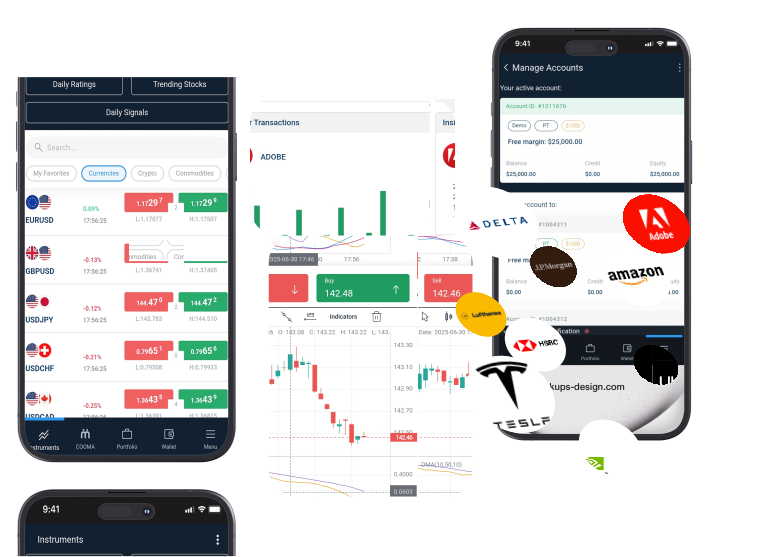
- Demo account with $25,000 virtual funds for training.
- Advanced analysis tools, live customer support, and competitive trading fees (low spreads).
- Secure deposit and withdrawal procedures.
Account Types
- Basic – Minimum deposit up to $4,999.
- Advanced – From $5,000 to $19,999.
- Premium – $20,000 and above with advanced features.
- Sharia Account – Sharia-compliant, swap-free, with Sharia fees applied after the 4th day.
- Demo – Realistic trading experience with no financial risk.
In Conclusion
Opening an Investment Account is one of the smartest steps toward financial independence. Whether you are new to investing or managing a large portfolio, AFAQ provides the technology, transparency, and tools to help you achieve better returns. From selecting the best investment accounts to accessing global markets with ease, AFAQ ensures your investments are secure, diversified, and growth-focused.
With expert support, flexible account types, and a wide range of investment options, AFAQ stands as a reliable partner for your financial journey. Start today and take the first step toward a prosperous future.
FAQs
What are the different types of investment accounts?
There are individual, joint, retirement, education, and managed or self-directed accounts—each serving specific financial purposes.
How do I open an investment account?
You can open an account on the AFAQ platform by completing online registration, submitting ID verification, and funding your account.
What is the best investment account for beginners?
The investment accounts for beginners on AFAQ provide low fees, easy navigation, and access to learning tools for confident investing.
Are investment accounts safe and regulated?
Yes. AFAQ operates under strict financial regulations, ensuring all client funds and transactions are protected.
How are investment accounts taxed?
Taxes depend on the account type and your jurisdiction. Some accounts are tax-deferred, while others are subject to annual capital gains or dividend taxes.
What’s the difference between managed and self-directed accounts?
Professionals oversee managed accounts, while self-directed accounts allow investors to make their own decisions and trades.