What Makes the Best Forex Broker for Online Trading?
Choosing the right forex broker is one of the most important decisions for anyone entering the financial markets. Many traders search for the best forex broker to access competitive spreads, fast trade execution, and reliable trading platfo٠rms that support their strategies. A trusted broker can also provide strong security measures, educational resources, and responsive customer support to improve the overall trading experience. Since every trader has different goals and risk tolerance, selecting the right broker depends on trading style, account features, and available market tools. Understanding these factors helps traders make informed decisions and build a more stable and efficient trading journey.
What Makes the Best Forex Broker?
Choosing the best forex broker is a critical decision that can significantly impact your trading success. The forex market is the largest and most liquid financial market in the world, with trillions of dollars traded daily. However, not all brokers offer the same level of service, reliability, or trading conditions. To identify a truly exceptional forex broker, several key factors must be evaluated, including execution speed, spreads, regulatory compliance, and the overall trading experience.
One of the first things to consider is whether the broker aligns with your trading style. For instance, scalpers require ultra-low latency and tight spreads, while long-term investors may prioritize educational resources and market analysis tools. Additionally, the broker’s reputation in the industry plays a crucial role. A well-established broker with positive reviews from traders worldwide is more likely to provide a secure and transparent trading environment. Transparency in pricing, such as fixed or variable spreads, and the absence of hidden fees, further solidifies a broker’s credibility.
Types of Forex Brokers
The forex market operates through different types of brokers, each with distinct business models and trading conditions. Understanding these differences is essential for selecting the best forex broker that suits your needs. The three primary types of forex brokers are ECN (Electronic Communication Network), STP (Straight Through Processing), and Market Maker brokers. Each type offers unique advantages and potential drawbacks, making it crucial to align your choice with your trading goals.
1. ECN Brokers
ECN brokers connect traders directly to a liquidity pool, which includes other market participants such as banks, hedge funds, and institutional traders. This direct access eliminates the conflict of interest that can arise with other broker types, as ECN brokers act as intermediaries rather than counterparties. Traders benefit from tight spreads, high liquidity, and the ability to see the depth of the market, including bid and ask prices from multiple sources. However, ECN brokers typically charge a small commission per trade, which can add up for frequent traders.
2. STP Brokers
STP brokers route orders directly to liquidity providers without dealing desk intervention. This means traders’ orders are filled at the best available market prices, ensuring transparency and fairness. While STP brokers do not typically charge commissions, they may earn revenue through spreads or markups. This model is ideal for traders who prioritize execution speed and price transparency, as it minimizes the risk of slippage or requotes.
3. Market Maker Brokers
Market Maker brokers, also known as dealing desk brokers, act as counterparties to their clients’ trades. They provide their own bid and ask prices, which can lead to wider spreads compared to ECN or STP brokers. However, market makers often offer competitive conditions for beginners, including no-commission trading and access to educational resources. It’s important to note that market makers may have an incentive to profit from traders’ losses, which can be a concern for some traders.
Key Features to Look for in a Forex Broker
Selecting the best forex broker requires careful consideration of several key features that can significantly impact your trading experience. The right broker should align with your trading goals, risk tolerance, and technical requirements.
Regulation and Licensing
A reputable forex broker must be regulated by a recognized financial authority. Regulation ensures that the broker adheres to strict financial and operational standards, protecting traders’ funds and personal data.Look for brokers that operate under recognized regulatory frameworks and maintain full transparency in their licensing and legal documentation
Trading Platforms and Tools
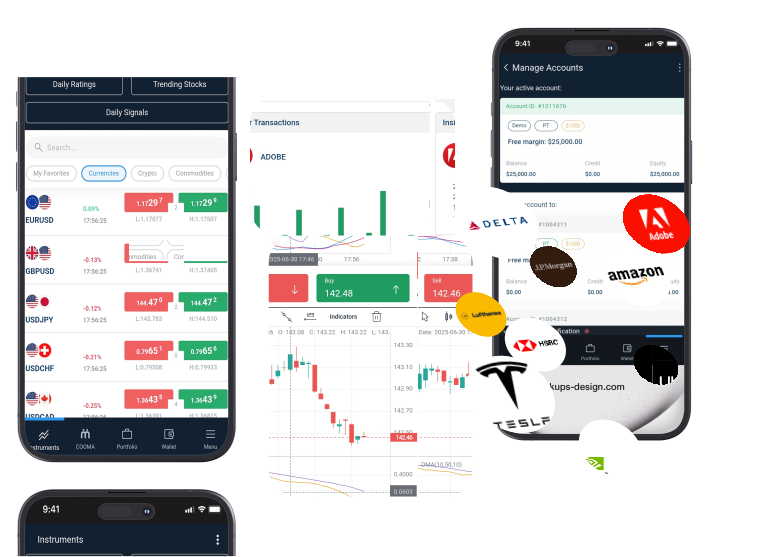
The quality of a forex broker’s trading platform can make or break your trading experience. A robust platform should offer real-time market data, advanced charting tools, and seamless execution.
MetaTrader 5 (MT5):
- MT5 offers additional features like more timeframes, deeper market analysis tools, and support for additional asset classes (e.g., stocks, futures).
WebTrader and Mobile Apps:
- A best forex broker app should provide a seamless experience across devices, with no lag in execution.
- Look for features like one-tap trading, customizable watchlists, and push notifications for price alerts.
- Mobile apps should sync with desktop platforms, allowing traders to switch between devices without missing opportunities.
Importance of Regulation and Security
Regulation is the cornerstone of trust in the forex industry. A best forex broker must comply with financial authorities to ensure fairness, transparency, and investor protection. Unregulated brokers pose significant risks, including fund mismanagement, market manipulation, and withdrawal delays.
Protection of Funds:
- Regulated brokers must segregate client funds from company accounts, preventing misuse.
- In the event of broker insolvency, segregated funds are protected and returned to clients.
Operational Transparency:
- Regulated brokers are required to publish audited financial statements and adhere to strict reporting standards.
- Regular audits by financial authorities ensure brokers maintain adequate capital reserves.
- Transparency in pricing and execution is mandated, reducing the risk of market manipulation.
Dispute Resolution:
- Regulated brokers must have formal complaint procedures in place for resolving trader disputes.
- Financial ombudsman services in many jurisdictions provide additional recourse for traders.
- Clear escalation paths give traders confidence that grievances will be addressed fairly and promptly.
Afaq best forex broker
Afaq is considered one of the promising trading platforms for traders seeking a professional and user-friendly experience in the financial markets. The platform provides access to multiple asset classes, including forex, stocks, commodities, and indices, along with advanced analytical tools that help traders make informed decisions. Afaq trade also offers fast trade execution, flexible trading features, and educational resources suitable for both beginners and experienced traders. With its modern trading environment and continuous support, Afaq helps traders improve their skills and build more effective trading strategies with confidence.
FAQs
How important is leverage when choosing a forex broker?
Leverage is one of the most important factors when choosing a forex broker because it determines how much market exposure traders can access with a smaller amount of capital. Higher leverage can increase potential profits, but it also significantly raises the risk of losses. Traders should choose leverage levels that match their experience, trading strategy, and risk tolerance.
Can I trade forex on mobile apps?
Yes, most modern forex brokers provide mobile trading apps that allow traders to access the market anytime and anywhere. These apps usually include features such as live price charts, technical analysis tools, and instant trade execution. Mobile trading offers flexibility and convenience, especially for traders who need to monitor positions while away from their computers.
What fees should I check before opening a forex trading account?
Before opening a forex trading account, traders should review spreads, commissions, swap fees, and deposit or withdrawal charges. Some brokers may also apply inactivity fees or additional costs for premium trading features. Understanding all trading fees in advance helps traders avoid unexpected expenses and compare brokers more effectively.